

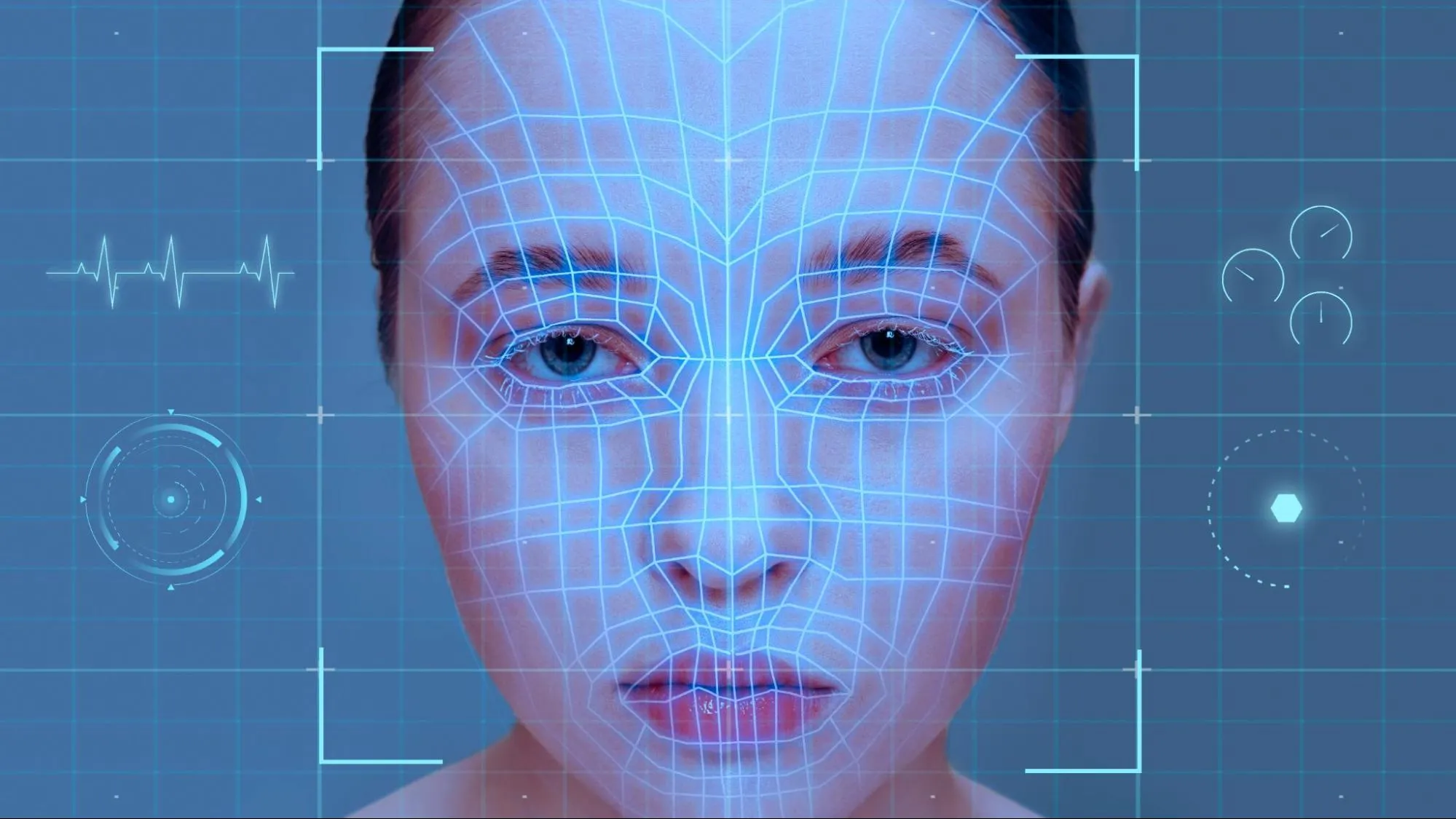
Face recognition has become an important part of many areas of daily life, whether for security, customer service or simple convenience. Here are some interesting examples:
- Amazon Rekognition: Amazon promoted its cloud face recognition service to law enforcement agencies. However, in June 2020 the company announced a one-year pause on police use of the technology, to give time for US federal legislation protecting human rights and civil liberties.
- Apple: uses face recognition in Face ID, which lets users unlock their phones, sign in to apps and make purchases quickly.
- British Airways: uses face recognition for passengers boarding flights from the United States. Cameras scan travelers’ faces to verify their identity so they can board without showing a passport or boarding pass.
- Cigna: this US health insurer lets customers in China submit health insurance claims signed with a photo instead of a handwritten signature, to reduce fraud.
- Coca-Cola: uses face recognition in many ways around the world, such as rewarding customers for recycling at vending machines in China and showing personalized ads on vending machines in Australia.
- Facebook: began using face recognition in the United States in 2010 to tag people in photos automatically. Since 2019, Facebook has let users choose whether to use the feature.
- Google Photos: uses face recognition to sort and tag photos automatically by the people it recognizes.
- MAC Cosmetics: uses face recognition in physical stores so customers can “try on” makeup virtually.
- McDonald’s: uses face recognition in its restaurants in Japan to assess customer service quality, including whether staff smile while helping customers.
- Snapchat: a pioneer of face recognition software that lets brands and organizations create filters that fit users’ faces.
Face recognition still has great potential to be developed and applied in many fields, but there are also privacy and security issues that must be carefully considered.