

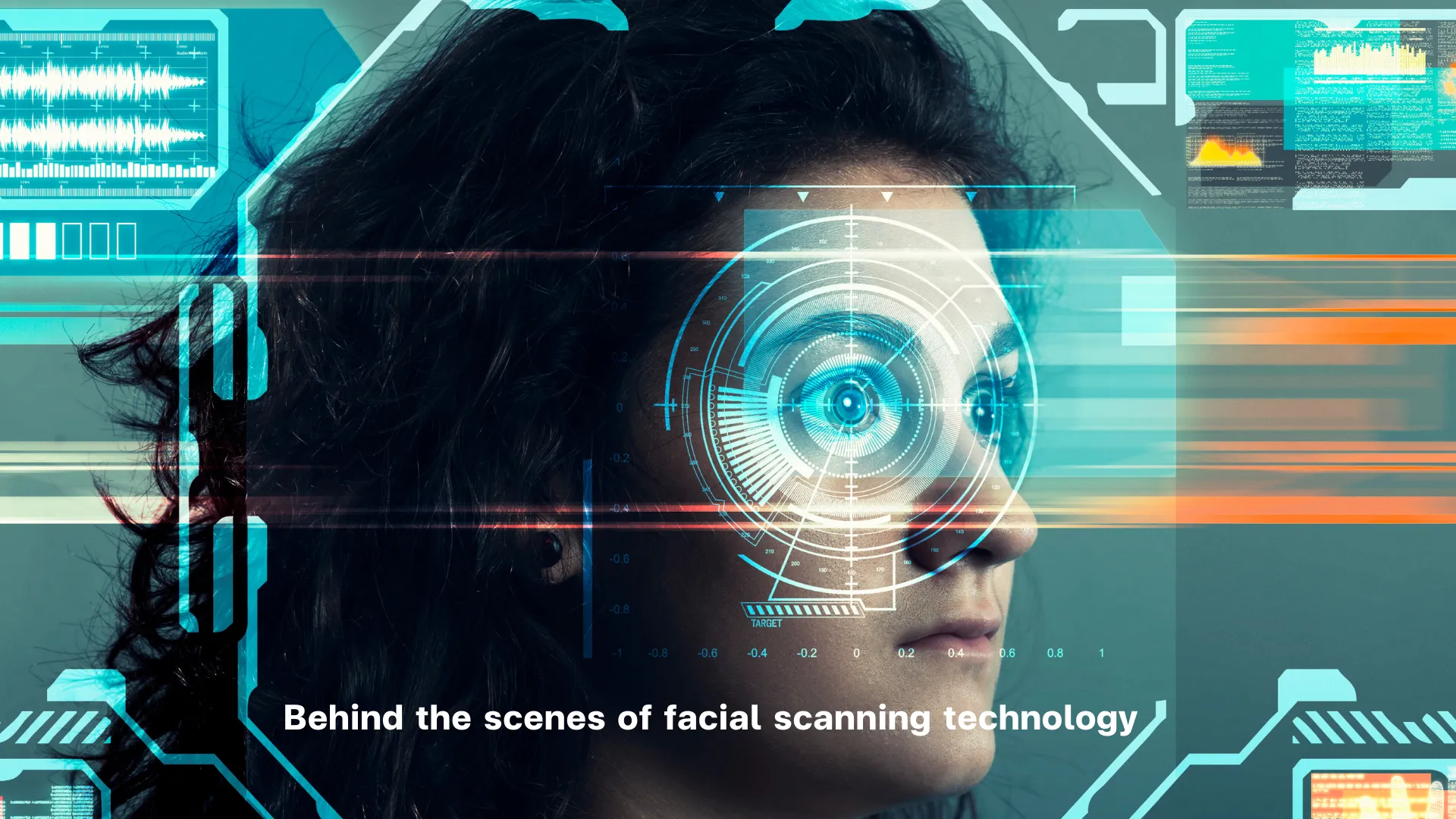
In an age when technology drives work and daily life, face scanning has become a widely popular tool, whether for security, time attendance or controlling access to different areas. But how does this convenience work behind the scenes, and how accurate is it?
How face scanning works
Face scanning relies on analyzing the unique features of a face, such as size, eye width, lips, nose shape and face structure. The system detects these features and converts them into digital data known as a faceprint, which is unique to each person, much like a fingerprint.
The system works through a camera and sensors that capture the user’s face. It then compares this image with data in a database to verify identity. The process usually takes less than a second, making it fast and convenient.
How accurate is face scanning?
The accuracy of face scanning depends on many factors, such as camera quality, sensor resolution and the algorithm used to analyze faces. Today the technology is very accurate, with a success rate of up to 99.97% in correctly identifying faces under suitable lighting and angles.
However, accuracy may fall in unsuitable conditions, such as low light, a partly covered face or a camera angle that does not directly face the person. Choosing suitable devices and settings is therefore important.
Benefits and limits
The benefits of this technology are convenience and speed. It reduces the time and steps needed to verify identity and can be used in many ways, such as time attendance, building access or even paying by face.
The limits are its reliance on high-quality devices and suitable conditions. If the device or environment is not good enough, scanning errors can occur.
Summary
Face scanning is an innovation that brings convenience and security, but using it effectively depends on choosing high-quality devices and suitable conditions. With today’s very high accuracy, this technology will play an important role in driving business and work in the digital age.